

Networking for Career Growth in Pakistan (2026 Complete Guide)
Quick Answer: Networking for career growth means building and maintaining genuine professional relationships with colleagues, mentors, alumni and industry peers. In Pakistan, many job opportunities and promotions come through referrals, making consistent, authentic networking a core part of long-term career success.
Skills and qualifications open doors, but relationships often decide which doors you actually walk through. This guide covers networking for career growth in Pakistan — who should focus on it, the skills required, and a practical roadmap for turning connections into career growth.
Table of Contents
- Why Networking for Career Growth Matters in Pakistan
- Who Should Prioritize Networking
- Building a Network as a Student
- Building a Network as a Fresh Graduate
- Building a Network as a Professional
- Using LinkedIn Effectively
- Networking Through Alumni Communities
- Networking Roadmap
- Tips for Authentic Networking
- Common Mistakes to Avoid
- Frequently Asked Questions
Why Networking for Career Growth Matters in Pakistan
Many job opportunities in Pakistan are filled through referrals and personal connections rather than public job postings alone. A strong network can mean earlier access to opportunities, honest career advice, and mentorship that accelerates growth far faster than applications alone.
Who Should Prioritize Networking
Best for: Students exploring career paths, fresh graduates entering the job market, and professionals seeking promotions, referrals or a career change.
Required Skills:
- Clear, confident communication
- Active listening
- Follow-up consistency
- Genuine curiosity about others’ work
Building a Network as a Student
Career Roadmap: Join University Societies → Attend Guest Lectures/Career Fairs → Connect with Seniors and Alumni → Build Early LinkedIn Presence
Typical Places to Network: University career fairs, society events, guest speaker sessions, internship placements.
Pro Tip: Don’t wait until your final semester to start networking — relationships built early often pay off during internship and job searches later.
Building a Network as a Fresh Graduate
Career Roadmap: Reconnect with University Contacts → Attend Industry Events → Request Informational Interviews → Build Active LinkedIn Engagement → Ask for Referrals Respectfully
Typical Employers/Communities: LinkedIn groups for Pakistani professionals, alumni networks of major universities, industry-specific WhatsApp/Slack communities.
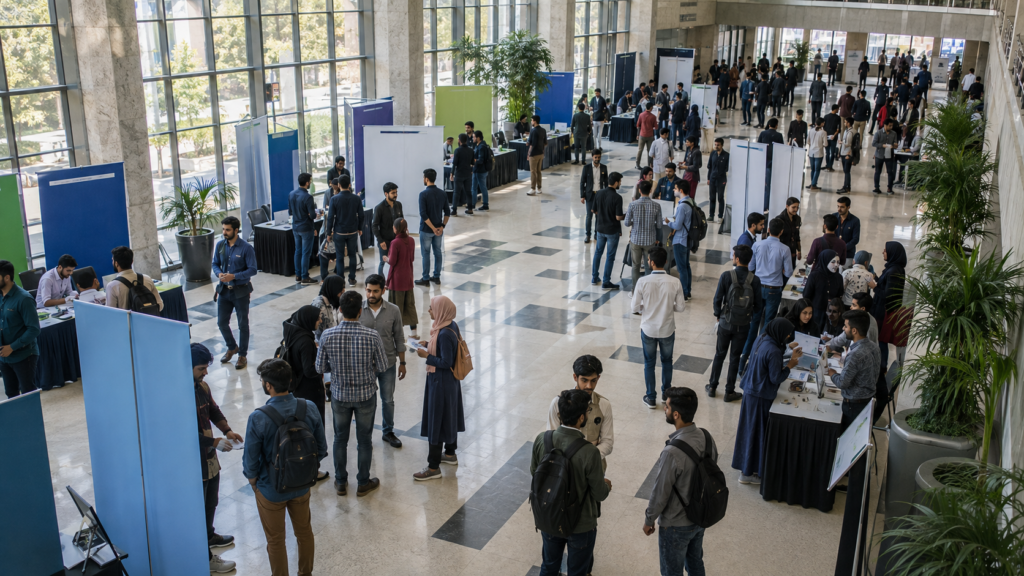
University career fairs and society events are strong starting points for networking for career growth.
Building a Network as a Professional
Career Roadmap: Maintain Existing Relationships → Mentor Junior Colleagues → Engage in Industry Associations → Speak at or Attend Conferences → Build a Recognized Professional Reputation
Typical Employers/Communities: P@SHA (for IT professionals), industry-specific chambers of commerce, professional bodies like ICAP or PEC.
Using LinkedIn Effectively
Required Skills:
- Writing a clear, professional profile summary
- Sharing genuine insights or updates, not just job searching posts
- Commenting thoughtfully on others’ posts
- Sending personalized connection requests
Consider: A complete, active LinkedIn profile is often the first thing recruiters and connections check before responding to outreach.
For general professional development standards, you can also reference resources from the Higher Education Commission of Pakistan.

An active, complete LinkedIn profile supports networking for career growth in Pakistan.
Networking Through Alumni Communities
University alumni networks are one of the most underused networking resources in Pakistan. Alumni are often willing to help fellow graduates with advice, referrals or informational interviews, especially when approached respectfully and specifically.
Typical Employers Alumni Often Work At: Systems Limited, HBL, Unilever Pakistan, Jazz, and other major employers across sectors.
Networking Roadmap
Identify Target Contacts/Communities → Reach Out with a Clear, Specific Ask → Build Genuine Rapport (not purely transactional) → Maintain the Relationship Over Time → Offer Help in Return → Long-Term Mutual Professional Network
Tips for Authentic Networking
- Lead with genuine curiosity, not just what you need from the other person.
- Keep outreach messages short, specific and respectful of the other person’s time.
- Follow up after meaningful conversations with a thank-you message.
- Offer help or value to your network, not just requests.
- Maintain relationships consistently, not just when you need something.
Pro Tip: A short, genuine congratulatory message when a contact changes jobs or gets promoted keeps the relationship active without feeling transactional. This is one of the simplest habits behind effective networking for career growth.
Common Mistakes to Avoid
- Only reaching out to your network when actively job searching.
- Sending generic, copy-pasted connection requests.
- Being purely transactional instead of building genuine relationships.
- Avoiding LinkedIn or professional platforms altogether.
- Failing to follow up or maintain contact after an initial conversation.
Frequently Asked Questions
Q1. How important is networking for career growth in Pakistan?
Very important — many job opportunities and promotions in Pakistan come through referrals and personal connections rather than public applications alone.
Q2. How can introverts network effectively?
Focus on smaller, one-on-one conversations and written communication (LinkedIn messages, email) rather than large networking events, which can play to introverts’ strengths.
Q3. Is LinkedIn actually useful in Pakistan, or mainly for international jobs?
LinkedIn is increasingly used by recruiters and professionals within Pakistan as well, making it a valuable tool for both local and international opportunities.
Q4. How do I network if I’m still a student with no work experience?
Attend university career fairs and society events, connect with seniors and alumni, and engage genuinely with guest speakers or professionals you meet.
Q5. What should I say when reaching out to someone I don’t know well?
Be specific about why you’re reaching out, keep the message short, and respect their time by asking a clear, reasonable question.
Q6. Is it appropriate to ask for a referral from someone I just met?
It’s generally better to build some rapport first. A brief informational conversation before asking for a referral tends to be more effective and respectful.
Q7. How often should I engage with my professional network?
Regular, light engagement — congratulating milestones, sharing relevant updates — helps maintain relationships without requiring constant effort.
Q8. Are alumni networks really useful in Pakistan?
Yes, alumni are often willing to help fellow graduates with advice or referrals, especially when approached respectfully and specifically.
Q9. How do I network within a specific industry I want to enter?
Join industry-specific groups or associations, attend relevant events, and request informational interviews with professionals already working in that field.
Q10. Can networking help with a career change?
Yes, significantly. Networking within your target field can provide insider insight and referrals that are difficult to access through applications alone.
Q11. What is an informational interview?
A short, informal conversation requested specifically to learn about someone’s career or industry, not to directly ask for a job.
Q12. How do I keep networking without feeling transactional?
Focus on genuine curiosity and offering help to others, not just what you can gain — authentic relationships tend to be more durable and useful over time.
Summary
Networking for career growth is one of the most valuable, and most underused, tools in Pakistan. Building genuine professional relationships — with classmates, alumni, colleagues and industry peers — consistently opens doors that applications alone cannot.
Key Takeaways
- Many job opportunities in Pakistan come through referrals and personal networks.
- Networking should start early — even during university — and be maintained consistently.
- LinkedIn is an increasingly valuable tool for networking within Pakistan.
- Authentic, non-transactional relationships are more durable and useful long-term.
- Alumni communities are an underused but valuable networking resource.
Suggested Reading
Continue with our fresh graduate career guide, career planning guide, or career mistakes to avoid.
Official Resources
Readers should verify current networking events, alumni programs and professional association details directly from official and institutional sources.