
Best Career Options After Matric in Pakistan (2026 Guide)
Quick Answer: After Matric, Pakistani students can choose Pre-Medical, Pre-Engineering, Computer Science, Commerce, Arts, or a technical diploma (DAE). Each path leads to different degree programs and careers, so the right choice depends on your interests, strengths and long-term goals.
Choosing the right career options after matric is a major turning point. The subject group you choose next will shape your options for years to come.
Table of Contents
- Why This Decision Matters
- Pre-Medical (FSc Pre-Medical)
- Pre-Engineering (FSc Pre-Engineering)
- Computer Science / ICS
- Commerce (I.Com)
- Arts / Humanities (FA)
- Technical and Vocational Diplomas (DAE)
- Comparing the Paths
- Tips and Common Mistakes
- Frequently Asked Questions
Why This Decision Matters
Many students choose their post-Matric path under pressure, without understanding where it leads. Some paths, like Pre-Medical, lock you into a narrow set of future options unless planned carefully. Others, like technical diplomas, offer faster entry into the job market. Understanding your options now saves years of confusion later.
Pre-Medical (FSc Pre-Medical)
Best for: Students aiming for MBBS, BDS, Pharm-D, nursing or allied health sciences, with strong patience for a long academic path.
Required Skills:
- Strong biology and chemistry foundation
- Memorization and analytical ability
- Patience for years of rigorous study
Career Roadmap: FSc Pre-Medical → MDCAT → MBBS/BDS/Pharm-D → House Job → Specialization
Typical Employers in Pakistan: Aga Khan University Hospital, Shifa International Hospital, Shaukat Khanum Memorial Hospital, public teaching hospitals.
Official Organizations: Pakistan Medical and Dental Council (PMDC — Official Website)
Consider: Government medical seats are highly competitive. Private medical colleges are an alternative, at higher cost.
Pre-Engineering (FSc Pre-Engineering)
Best for: Students strong in mathematics and physics, interested in engineering, architecture or applied sciences.
Required Skills:
- Strong mathematics and physics
- Spatial and analytical reasoning
- Technical problem-solving
Career Roadmap: FSc Pre-Engineering → ECAT/University Test → BE/BSc Engineering → Junior Engineer → Senior Engineer
Typical Employers in Pakistan: WAPDA, OGDCL, Descon Engineering, private construction and manufacturing firms.
Official Organizations: Pakistan Engineering Council (PEC — Official Website)
Consider: Job demand varies by engineering discipline — research current market demand before committing to a specific branch.
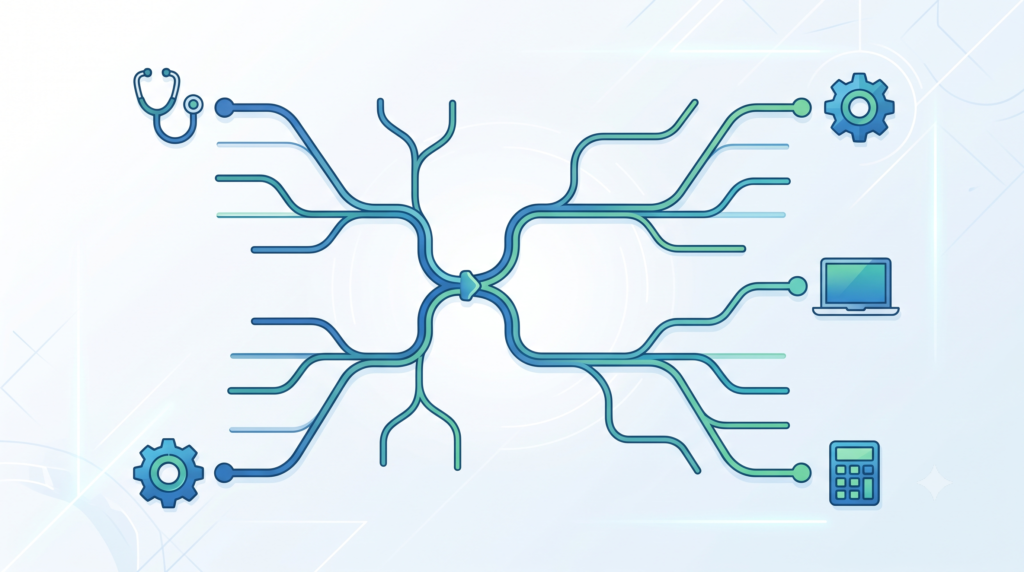
Multiple academic tracks branch out after Matric, each leading to different careers.
Computer Science / ICS
Best for: Students interested in technology, software and self-driven learning.
Required Skills:
- Logical and analytical thinking
- Comfort with self-study and online resources
- Basic mathematics
Career Roadmap: ICS → BS Computer Science/IT → Junior Developer → Senior Engineer → Specialist/Architect
Typical Employers in Pakistan: Systems Limited, NETSOL Technologies, 10Pearls, Arbisoft, Contour Software.
Official Organizations: Pakistan Software Export Board (PSEB — Official Website)
Consider: This path combines well with self-taught skills. Practical project experience matters as much as grades.
Commerce (I.Com)
Best for: Students interested in business, finance and accounting, comfortable with numbers.
Required Skills:
- Numerical accuracy
- Analytical thinking
- Attention to detail
Career Roadmap: I.Com → BBA/CA/ACCA → Analyst/Trainee → Manager → Senior Finance Roles
Typical Employers in Pakistan: HBL, UBL, MCB, Meezan Bank, EY Ford Rhodes, KPMG Taseer Hadi.
Official Organizations: Institute of Chartered Accountants of Pakistan (ICAP — Official Website)
Consider: Commerce opens doors to some of the highest-paying professional qualifications in Pakistan, such as CA, but these require years of rigorous study.
Arts / Humanities (FA)
Best for: Students interested in literature, social sciences, law, media or the civil service.
Required Skills:
- Strong reading and writing ability
- Argumentation and critical thinking
- Communication skills
Career Roadmap: FA → LLB/BA/BS → Entry Role/Bar Exam → Associate/Officer → Senior Professional
Typical Employers in Pakistan: Law firms, media houses, provincial and federal government departments.
Official Organizations: Federal Public Service Commission (FPSC — Official Website), Pakistan Bar Council (Official Website)
Consider: Arts is often underrated in Pakistan but leads to strong careers in law, civil service and media — fields with real influence and demand.
Technical and Vocational Diplomas (DAE, Trade Courses)
Best for: Students who want practical, hands-on skills and faster entry into employment.
Required Skills:
- Practical, hands-on aptitude
- Attention to safety and precision
- Willingness to work in field/technical settings
Career Roadmap: Matric → DAE/Trade Certification → Junior Technician → Senior Technician → Supervisor/Further Engineering Study
Typical Employers in Pakistan: WAPDA, K-Electric, private construction and manufacturing companies, Gulf-based employers.
Official Organizations: National Vocational and Technical Training Commission (NAVTTC — Official Website)
Consider: Technical trades are in high demand in Pakistan and abroad, especially in the Gulf countries. A DAE can also lead to further engineering studies.
Comparing the Paths
| Path | Duration to Entry-Level Job | Typical Investment | Demand |
|---|---|---|---|
| Pre-Medical | 5+ years | High | High (competitive) |
| Pre-Engineering | 4+ years | Moderate–High | Varies by field |
| Computer Science | 2–4 years | Low–Moderate | Very High |
| Commerce | 3–5 years | Moderate | High |
| Arts/Humanities | 2–4 years | Low | Moderate–High |
| Technical Diploma | 1–3 years | Low | High |

Comparing academic paths helps students understand growth and investment differences.
Tips for Choosing After Matric
- When comparing career options after matric, match your subject choice to your genuine strengths, not just Matric results.
- If undecided, Computer Science and Commerce keep more doors open.
- Don’t dismiss technical diplomas — they offer strong, practical careers.
- Talk to seniors already studying in your shortlisted field.
- Consider combining formal education with an online skill regardless of your path.
Common Mistakes to Avoid
- Choosing Pre-Medical only for social status, without genuine interest.
- Ignoring technical and vocational paths due to stigma.
- Not researching entry test requirements in advance.
- Choosing a field because “everyone else is doing it.”
- Failing to have a backup plan if entry test results are lower than expected.
Frequently Asked Questions
Q1. Which subject is best after Matric in Pakistan?
There is no single “best” subject among the many career options after matric. The right choice depends on your interests, strengths and long-term career goals.
Q2. Can I switch fields after choosing a subject group?
Yes, in many cases, though switching may require additional coursework or exams depending on the institution.
Q3. Is Computer Science a good choice for girls?
Yes. Computer Science offers strong career and freelancing opportunities for everyone, including flexible or remote work options.
Q4. What is the difference between FSc and DAE?
FSc is an academic pathway typically leading to university degrees. DAE (Diploma of Associate Engineering) is a technical pathway leading directly to skilled jobs or further engineering study.
Q5. Is a technical diploma respected in Pakistan?
Skilled trades are in strong demand, both locally and internationally, particularly in the Gulf region, and respect for these careers is growing.
Q6. Do I need Pre-Medical to become a nurse?
Typically yes, though specific entry requirements vary by institution. Check the admission criteria of your target nursing school.
Q7. What if I don’t get good marks in Matric?
Your options may be more limited for competitive fields, but many strong career paths — including technical diplomas, commerce and arts — remain open.
Q8. Which path is best for future freelancing opportunities?
Computer Science and Arts/Humanities (for content writing, design) both offer skills that translate well into freelancing.
Q9. How important are entry tests like MDCAT and ECAT?
Very important for competitive government seats in medical and engineering universities.
Q10. Can Commerce students study engineering later?
Generally, engineering requires a Pre-Engineering or equivalent background with strong mathematics. Check specific university requirements.
Q11. What is the fastest path to earning after Matric?
Technical and vocational diplomas typically offer the fastest route to employment, often within 1 to 3 years.
Q12. Should I choose my subject based on family business needs?
Family business experience can be valuable, but make sure your subject choice also supports your personal interests and broader career resilience.
Summary
The path you choose after Matric shapes your options for years — but it is not a permanent trap. Every path, from Pre-Medical to technical diplomas, can lead to a strong, respected career if you commit to it and keep developing your skills.
Key Takeaways
- Choose based on genuine interest, realistic strengths and market demand.
- Technical diplomas offer the fastest entry into paid employment.
- Computer Science and Commerce keep the most doors open if you’re undecided.
- Entry test preparation (MDCAT, ECAT) significantly affects competitive options.
- Every path can lead to a strong career with consistent effort.
Suggested Reading
- How to Choose the Right Career in Pakistan
- Best Career Options After Intermediate
- Best Government Careers in Pakistan
Official Resources
- Pakistan Medical and Dental Council (PMDC — Official Website)
- Pakistan Engineering Council (PEC — Official Website)
- Institute of Chartered Accountants of Pakistan (ICAP — Official Website)
- National Vocational and Technical Training Commission (NAVTTC — Official Website)
Readers should verify current admission requirements and entry test details directly from official sources.